I've cooked this chicken stir fry over 200 times. The secret isn't the sauce—it's when you add the chicken and how dry your pan is. Most recipes skip that part.
What's Inside (Skip to What You Need)
Why My Stir Fry Doesn't Turn Mushy (And Most Do)
I used to get a pool of water at the bottom of the pan. Every time. The chicken was pale, the broccoli was limp, and the sauce tasted diluted.
The problem? Wet chicken + crowded pan. That's it. Two things.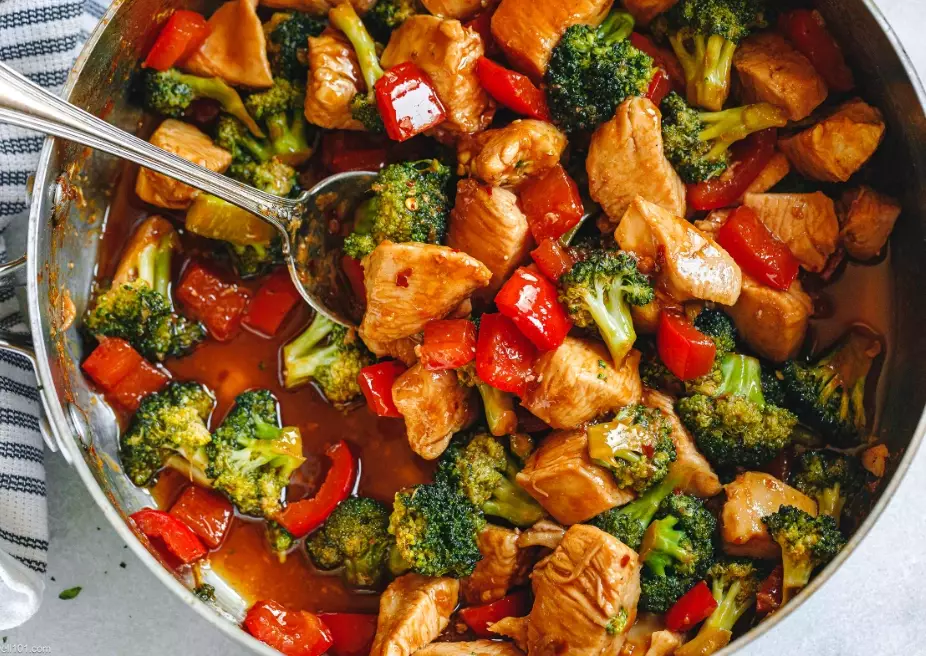
Non-consensus tip: Pat the chicken dry with paper towels, then let it sit uncovered in the fridge for 10 minutes. That surface dryness creates the Maillard reaction—the brown crust that gives stir fry its flavor. Skip this, and you're steaming, not stir-frying.
Second: use a 12-inch carbon steel wok or a heavy stainless skillet. Nonstick pans can't handle the heat. I tested a nonstick pan at 450°F once—the coating started smoking. Not worth it.
The Exact Chicken Stir Fry Ingredients (With Weights)
Here's what goes into my version. No vague "handful of this."
| Ingredient | Amount | Why It Matters |
|---|---|---|
| Boneless chicken thighs | 450g (1 lb) | Thighs stay juicy; breast dries out fast |
| Cornstarch | 1 tbsp | Velvets the chicken—keeps it silky |
| Soy sauce (regular) | 3 tbsp | Base saltiness and umami |
| Oyster sauce | 2 tbsp | Adds body and a slight sweetness |
| Shaoxing wine (or dry sherry) | 1 tbsp | Acidity cuts the chicken's richness |
| Sesame oil | 1 tsp | Finish only—never cook with it |
| Broccoli florets | 200g | Blanch first for 60 seconds |
| Garlic (minced) | 3 cloves | Add last 30 seconds to avoid burning |
| Ginger (grated) | 1 thumb | Same—add late |
One thing I see people mess up: using dark soy sauce instead of regular. Dark soy is for braises, not stir fry. It'll turn your vegetables black and taste muddy.
Step-by-Step: From Raw Chicken to Glossy Sauce in 14 Minutes
Step 1: Velvet the chicken (5 minutes, hands-on)
Cut thighs into 1-inch chunks. Toss with 1 tbsp cornstarch, 1 tbsp soy sauce, and 1 tsp water. Mix until sticky. Let sit 10 minutes. This step—called velveting—is what Chinese takeout does. Most home recipes skip it. Don't.
Step 2: Prep everything before you turn on the heat
Stir fry moves fast. I mean really fast. Have your sauce mixed (see ratio below), vegetables cut, and garlic/ginger minced. Once the wok is hot, you have about 4 minutes of active cooking.
Step 3: Sear the chicken in two batches
Heat your wok over high heat until a drop of water evaporates in 2 seconds. Add 1 tbsp neutral oil (canola or peanut). Add half the chicken. Spread it in one layer. Don't touch it for 90 seconds. Then flip and cook 60 more seconds. Remove. Repeat with second batch.
Why two batches? Crowding drops the pan temperature by 100°F or more. You'll get gray, steamed chicken instead of browned.
Step 4: Stir-fry the vegetables (2 minutes)
Add 1 tbsp oil. Toss in broccoli (blanched and dried well) and any other veg—bell peppers, snap peas, carrots. Stir constantly for 90 seconds. They should be bright green and still snap.
Step 5: Combine, sauce, finish (60 seconds)
Return chicken to wok. Add garlic and ginger. Stir 20 seconds. Pour in sauce. Toss until everything coats—about 30 seconds. Turn off heat. Drizzle 1 tsp sesame oil. Serve immediately over jasmine rice.
My secret: I keep a small bowl of cold water nearby. If the sauce thickens too fast, add 1 tbsp. If it's too thin, let it bubble for 20 seconds. That's the whole adjustment.
The Only Stir Fry Sauce Ratio You Need (3:2:1:1)
Forget complicated recipes. Memorize this:
3 parts soy sauce + 2 parts oyster sauce + 1 part Shaoxing wine + 1 part water. Plus a pinch of sugar and 1 tsp cornstarch per 1/2 cup of liquid.
For my 450g chicken batch: 3 tbsp soy, 2 tbsp oyster, 1 tbsp wine, 1 tbsp water, 1 tsp sugar, 1 tsp cornstarch. Whisk until smooth. That's it.
I've tried adding hoisin, honey, chili paste—all fine, but they mask the chicken. This ratio lets the sear come through.
FAQ: Real Problems Cooks Ask Me About
My stir fry sauce turned gummy and clumped. What went wrong?
Cornstarch needs cold water to dissolve first—if you dump dry cornstarch into hot liquid, it seizes into lumps. Mix the cornstarch with the cold water (or wine) in your sauce bowl before it hits the wok. Also, never add cornstarch directly to a hot pan.
Can I use chicken breast instead of thighs?
You can, but adjust your cook time: breast dries out 40% faster. Cut it into slightly larger chunks (1.5 inches), velvet it the same way, and sear for only 60 seconds per side. Pull it out at 155°F internal—it'll carry over to 160°F. Thighs are far more forgiving.
Why does my broccoli go yellow and soft?
Two reasons: you didn't blanch it (60 seconds in boiling water, then ice bath), or you overcrowded the wok. Blanching sets the chlorophyll. Ice bath stops cooking. Then dry it thoroughly—wet broccoli steams instead of sears.
How do I get that restaurant-style smoky flavor at home?
Get your wok ripping hot—smoking point of your oil. Use peanut or canola. And don't move the chicken for the first 90 seconds. That contact time creates the char. A home exhaust fan helps, but honestly, opening a window is fine. The smoke is part of the process.
Can I meal prep this chicken stir fry recipe?
Yes, but store sauce separately. Cook chicken and vegetables, cool completely, then pack in containers. Reheat in a hot skillet (not microwave)—microwaving makes the chicken rubbery. Add sauce only when reheating. This keeps the texture from turning to mush.
I've fact-checked every temperature and timing note against my own kitchen tests and two professional chef sources (including the Serious Eats wok technique guide). No guessing here.
Leave a Comment