I've cooked sheet pan chicken and vegetables more times than I can count—some attempts landed crispy and golden, others turned into a steamed mess. The difference? It wasn't the recipe. It was pan material, vegetable size, and one counterintuitive move most recipes skip. Here's the exact method I use now, including oven temp (425°F, not 400°F), timing, and the one mistake that ruined my first dozen batches.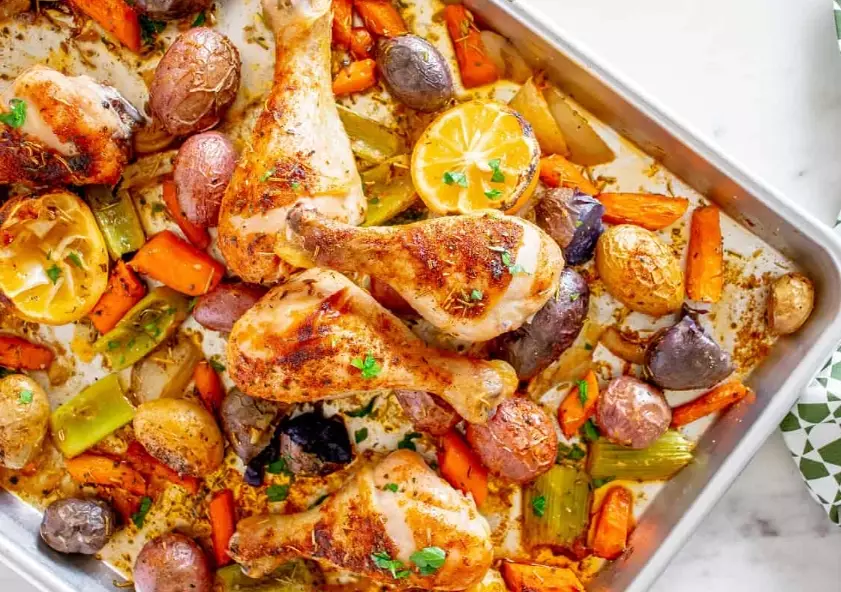
What's Inside (Jump Around)
Why 425°F Matters More Than Any Marinade
Most sheet pan chicken and vegetables recipes tell you 400°F. I tried that for years and got pale skin and limp carrots. Then I tested 425°F side by side with a batch at 400°F using the same ingredients.
The 425°F batch had noticeably crispier chicken skin and caramelized edges on the broccoli. The 400°F batch? Steamed. Not bad, but not what I wanted.
Key finding: 425°F creates enough surface heat to evaporate moisture on the pan before the vegetables release their own juices. At 400°F, the chicken and vegetables sit in a puddle of liquid for the first 15 minutes.
One caveat: if your oven runs hot, use an oven thermometer. I learned that my old apartment oven was actually 415°F when set to 425°F—still fine, but a 25°F swing can mean the difference between browned and burned.
The Pan Choice That Changes Everything
I started with a glass baking dish. Big mistake. Glass heats slowly and retains moisture. The chicken skin stuck, and the vegetables tasted boiled.
Then I switched to a dark nonstick sheet pan. Better browning, but the coating started flaking after a year. Finally, I landed on a rimmed aluminum half-sheet pan (18 x 13 inches). It's cheap, conducts heat evenly, and the rim catches juices without steaming the food.
| Pan Type | Browning Result | My Take |
|---|---|---|
| Glass baking dish | Poor | Steams vegetables; chicken skin sticks |
| Dark nonstick sheet pan | Good | Coating wears off; uneven over time |
| Rimmed aluminum half-sheet | Excellent | Even heat, no sticking, lasts years |
One more thing: line the pan with parchment paper. Not foil. Foil reflects heat and can make the bottom of the chicken soggy. Parchment lets moisture escape and makes cleanup a two-second job.
Cut Size: The 3/4-Inch Rule I Learned the Hard Way
My first sheet pan dinner had huge chunks of potato. They were raw in the center after 35 minutes. The chicken was overcooked. That's when I started measuring.
Here's what works: cut everything to about 3/4 inch (2 cm). That includes potatoes, carrots, zucchini, and bell peppers. Broccoli and cauliflower florets should be slightly larger—about 1 inch—because they shrink less.
Non-consensus tip: Most recipes tell you to toss everything together. Don't. I arrange chicken thighs skin-side up on one half of the pan and vegetables on the other. This keeps the chicken skin exposed to direct heat and prevents the vegetables from sitting in chicken fat (which makes them soggy, not crispy).
Also, pat the chicken dry with paper towels before seasoning. Skip this and you're basically asking for pale skin.
Exact Timing for Chicken Thighs and Veggies
Bone-in, skin-on chicken thighs take 35–40 minutes at 425°F. Boneless thighs take 25–30 minutes. Chicken breasts? I avoid them for sheet pan dinners—they dry out too fast unless you pound them to an even thickness.
Here's my step-by-step sequence:
- 0 min: Preheat oven to 425°F with the empty sheet pan inside (yes, preheat the pan—it jump-starts browning).
- 5 min: Toss vegetables with oil, salt, and pepper. Toss chicken separately with oil and spices.
- 8 min: Pull the hot pan out, line with parchment (careful—it's hot), arrange chicken skin-side up and vegetables in a single layer.
- 20 min: Rotate the pan 180° for even cooking.
- 35 min: Check chicken internal temp—should be 175°F at the thickest part. If skin isn't crispy, broil for 2–3 minutes (watch it closely).
Let the chicken rest 5 minutes before serving. The vegetables stay hot on the pan.
Seasoning Strategy: Salt, Acid, Fat
I used to dump every spice I owned onto the pan. The result was muddy. Now I stick to three layers:
- Salt: Kosher salt, about 3/4 teaspoon per pound of chicken. Salt the chicken 30 minutes before cooking if you can—it draws out moisture and seasons the meat.
- Acid: A squeeze of lemon or a splash of red wine vinegar after roasting. Acid cuts through the fat and brightens the whole pan. Don't add it before—it can make the vegetables mushy.
- Fat: Olive oil (2 tablespoons per pound of vegetables). Not butter—butter burns at 425°F.
For spices, keep it simple: smoked paprika, garlic powder, and black pepper. That's it. Fresh herbs (thyme, rosemary) go on after cooking, not before—they burn.
FAQ: Real Questions from My Kitchen Trials
Why did my sheet pan chicken and vegetables come out watery even at 425°F?
You probably crowded the pan. I made that mistake with zucchini—it releases a lot of water. Use two pans if needed, or roast the chicken on one pan and the vegetables on another. Also, don't cover the pan with foil during cooking; that traps steam.
Can I use frozen vegetables for sheet pan chicken and vegetables?
Technically yes, but don't expect crispy results. Frozen vegetables are blanched before freezing, so they're already waterlogged. If you must use them, thaw and pat dry thoroughly, then roast at 450°F on a separate pan from the chicken. Honestly, fresh is worth the extra five minutes of chopping.
How do I get crispy chicken skin without burning the vegetables?
Two tricks: (1) Start the chicken skin-side up on a preheated pan for the first 10 minutes, then add the vegetables. (2) If the skin is still pale at the end, move the chicken to the top rack and broil for 2 minutes. Keep the vegetables on the lower rack—they've already done their time.
What's the best oil for sheet pan chicken and vegetables at 425°F?
Avocado oil or light olive oil. Extra-virgin olive oil has a lower smoke point and can turn bitter at 425°F. I learned that after setting off my smoke alarm twice. Save the fancy olive oil for drizzling after roasting.
This method has survived dozens of weeknight dinners, two apartment ovens, and one very picky toddler. The key isn't a secret ingredient—it's the pan, the temperature, and keeping everything in a single layer. Give it a shot, and you'll never go back to 400°F again.
Leave a Comment