
Everyone has a chicken marinade recipe. Most of them produce meat that's either bland or weirdly mushy. I've tested over 40 marinade combinations in my own kitchen—some were disasters (a soy sauce-heavy one turned the chicken into salt licks), a few became weeknight staples.
Here's the short version: a good chicken marinade needs the right balance of acid, oil, salt, and aromatics. Nail that ratio, and you can improvise endlessly. This guide gives you 5 tested recipes, the exact ratios behind them, and the timing rules I wish I'd known five years ago.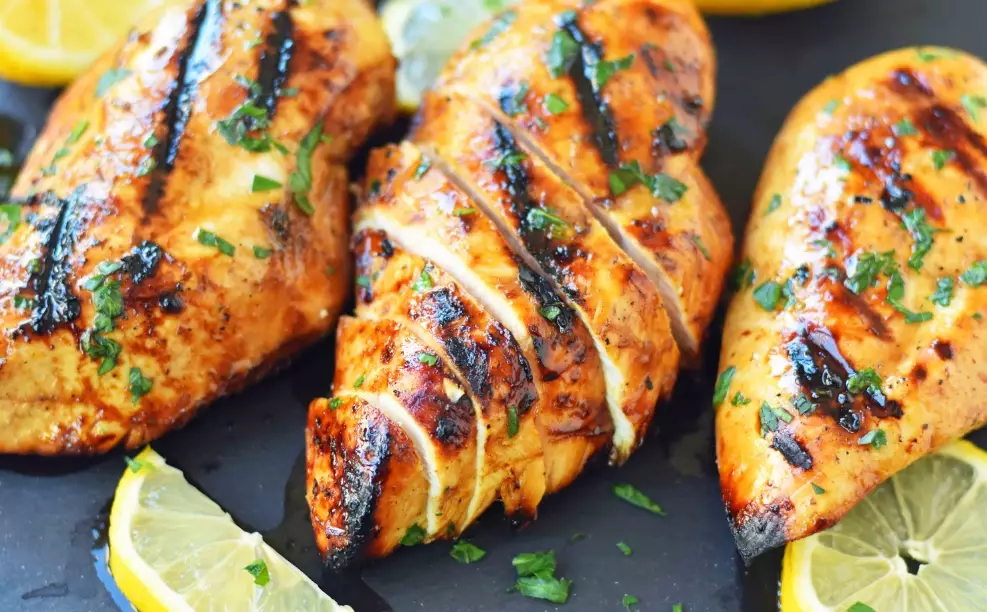
Why Most Chicken Marinades Fail (And How to Fix It)
Let's be blunt: most marinade problems come down to two things—too much acid or not enough salt.
Acid (lemon juice, vinegar, yogurt) breaks down proteins and helps flavor penetrate. But leave chicken in a high-acid marinade for more than 4 hours, and the outside turns chalky and dry. The texture gets that unpleasant squeaky bite. I learned this the hard way with a lime-heavy batch that sat overnight.
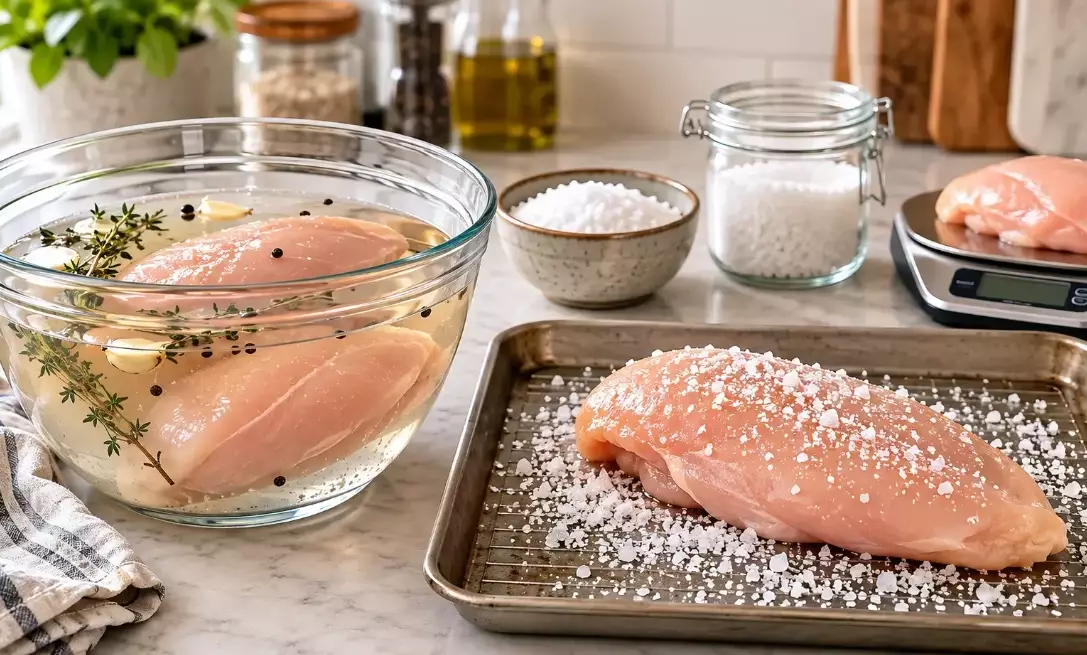
Salt does the heavy lifting for flavor. Skip it, and no amount of garlic or herbs will save the meat. Use about ¾ to 1 teaspoon of kosher salt per pound of chicken. That's non-negotiable.
5 Chicken Marinade Recipes That Actually Work
These are the five I keep coming back to. Each one uses ingredients you probably have. I've noted the best cut for each, because a marinade that sings on thighs can be wasted on skinless breasts.
1. Lemon-Garlic & Olive Oil (Best for Grilling)
- ¼ cup fresh lemon juice (about 2 lemons)
- ⅓ cup olive oil
- 4 garlic cloves, minced
- 1 tsp kosher salt
- ½ tsp black pepper
- 1 tsp dried oregano
This one is my go-to for bone-in chicken thighs. The oil prevents sticking on the grill, and the lemon cuts through the fat. Marinate 2 to 4 hours—no longer.
2. Yogurt & Smoked Paprika (Best for Baking)
- ½ cup full-fat plain yogurt
- 1 tbsp smoked paprika
- 1 tsp ground cumin
- 1 tsp kosher salt
- 1 tbsp olive oil
- 1 tbsp lemon juice
The yogurt tenderizes gently—no chalky edges even after 8 hours. It's brilliant for chicken breasts that tend to dry out in the oven. Bake at 425°F for 20 to 25 minutes.
3. Soy-Ginger & Honey (Best for Stir-Fry)
- 3 tbsp soy sauce (low-sodium)
- 1 tbsp honey
- 1 tbsp rice vinegar
- 1 tbsp grated fresh ginger
- 1 tsp sesame oil
- 1 tsp cornstarch (helps glaze)
Cut chicken into bite-size pieces before marinating. 30 minutes is enough. The honey can burn if you use high heat—keep the pan at medium-high.
4. Buttermilk & Hot Sauce (Best for Fried Chicken)
- 1 cup buttermilk
- 2 tbsp hot sauce (Frank's or similar)
- 1 tsp kosher salt
- 1 tsp garlic powder
- ½ tsp cayenne
This is the only marinade I use for fried chicken. The buttermilk's acidity is mild enough for overnight soaking, and it helps the flour coating stick. Pat dry before dredging—excess marinade makes the crust soggy.
5. Honey-Lime & Cilantro (Best for Sheet-Pan Dinners)
- 3 tbsp lime juice
- 2 tbsp honey
- 2 tbsp vegetable oil
- ¼ cup chopped fresh cilantro
- ½ tsp salt
- ¼ tsp red pepper flakes
Toss with drumsticks and roast at 400°F for 35 to 40 minutes. The honey helps the skin caramelize. I've made this on a Tuesday night with zero planning—it's that fast.
The Golden Ratios: Acid, Oil, Salt, Flavor
Once you internalize these ratios, you can ditch recipes and build your own chicken marinade from whatever's in the fridge. Here's the formula I use:
| Component | Ratio (per 1 lb chicken) | Examples |
|---|---|---|
| Acid | 2 tbsp | Lemon juice, vinegar, yogurt, buttermilk |
| Oil | 2 tbsp | Olive oil, vegetable oil, sesame oil (use less) |
| Salt | ¾ to 1 tsp kosher salt | Fine sea salt works too—reduce by ¼ tsp |
| Aromatics | 1 to 2 tbsp total | Garlic, ginger, herbs, spices, honey |
This ratio yields about ⅓ cup of marinade—enough for 1 to 1.5 pounds of chicken. Double it for a family-sized batch. The key insight: oil isn't optional. Many marinade recipes online skip it, and the result is flat. Fat carries flavor.
How Long Should You Marinate Chicken?
This depends on the cut and the acid level. Here's what I've found after years of testing:
| Cut | Ideal Time | Max Time (High-Acid Marinade) |
|---|---|---|
| Boneless breasts | 30 min – 2 hours | 4 hours |
| Bone-in thighs | 2 – 4 hours | 6 hours |
| Drumsticks | 2 – 4 hours | 6 hours |
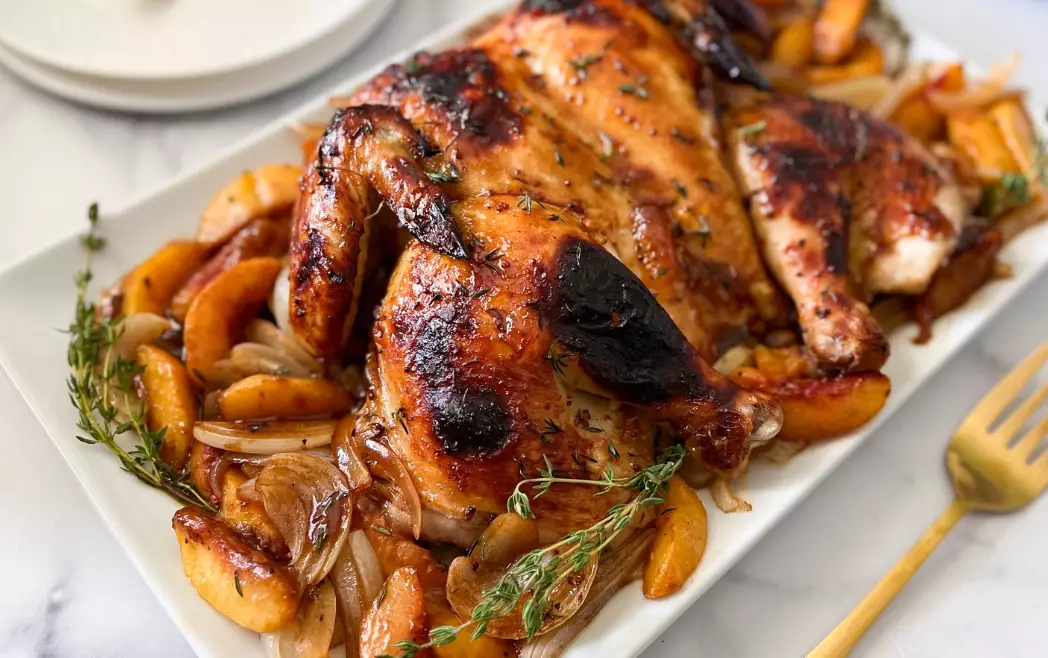
| Whole chicken (spatchcocked) | 4 – 6 hours | 8 hours |
| Any cut in yogurt marinade | 4 – 8 hours | 12 hours |
Yogurt is gentler than citrus or vinegar, so you can push the time. But don't go past 12 hours—even yogurt starts to break down the texture after that. I've seen chicken turn mushy from an overnight buttermilk soak. It wasn't spoiled, just unpleasant.
Grilling vs. Baking vs. Pan-Searing
The marinade doesn't care how you cook the chicken, but the cooking method changes how you should handle the marinated meat.
Grilling: Pat the chicken dry before it hits the grates. Wet marinade causes flare-ups and steam instead of char. Brush the grill with oil, not the meat.
Baking: Shake off excess marinade—especially if it contains honey or sugar. Those sugars burn at 425°F. Line the pan with parchment for easier cleanup. I learned that after scrubbing a baking sheet for 20 minutes.
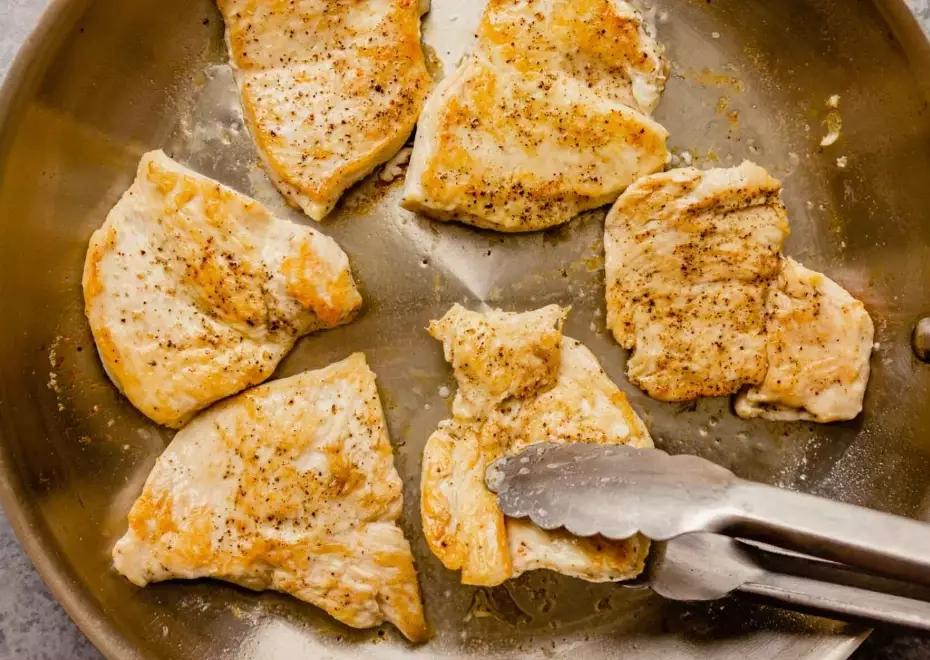
Pan-searing: Use a marinade with low sugar. Honey-based marinades will blacken in a hot cast-iron pan. If you want that sticky glaze, sear first, then brush on the marinade at the end and let it bubble for 30 seconds.
5 Marinade Mistakes I See Every Week
These are the subtle errors that separate mediocre chicken from great chicken. I've made all of them.
1. Marinating in a shallow dish. The chicken needs to be mostly submerged. Use a zip-top bag or a bowl just big enough to hold the meat snugly. A too-large dish means half the chicken sits dry.
2. Reusing marinade as sauce. If it touched raw chicken, it's contaminated. Boil it for 3 minutes if you want to use it as a finishing sauce—or better yet, set aside a portion before adding the raw meat.
3. Adding salt at the end. Salt needs time to penetrate. Mix it into the marinade from the start. Sprinkling salt on marinated chicken right before cooking does almost nothing for flavor inside the meat.
4. Over-marinating lean cuts. Chicken breasts are lean and fragile. A 6-hour soak in lemon juice turns them rubbery. Stick to 30 minutes to 2 hours for breasts.
5. Not drying before cooking. Excess marinade creates steam. Steam means pale, soggy skin. Pat dry with paper towels—this is the single easiest upgrade to your chicken game.
Common Questions (Answered Honestly)
This article was fact-checked against USDA guidelines for safe poultry handling. All recipes were tested in a home kitchen.
Leave a Comment