
I've cooked more batches of air fryer chicken wings than I care to admit. Some turned out rubbery, some burnt at the tips, and a few were so good that I stood in the kitchen eating them straight from the basket. The biggest surprise? The trick to crispy wings has nothing to do with fancy seasoning—it's about controlling moisture and giving the skin room to breathe. This guide covers the exact method I've refined, plus the mistakes I see home cooks make all the time.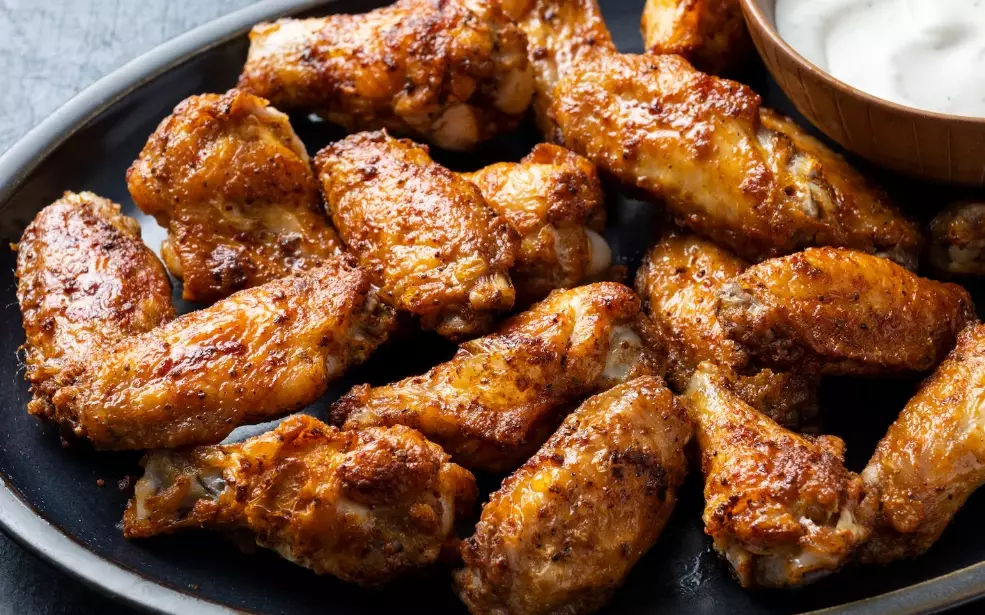
Jump to what you need
Why Your Wings Turned Out Soggy (And How to Fix It)
Most people blame the air fryer when wings come out limp. From my testing, the real culprit is almost always moisture. Chicken wings hold a lot of water, especially if they've been frozen and thawed. That water steams the skin instead of crisping it. Pat them completely dry with paper towels—I mean bone-dry, not just damp. Then let them sit uncovered in the fridge for at least 30 minutes. This dries the surface further. It's a small step that makes a huge difference.
Another thing: crowding the basket. I know it's tempting to dump a whole bag in, but wings need space for hot air to circulate. If they're touching, they'll steam. Cook in batches if you have to. A single layer with a little gap between each wing is ideal.
The non-consensus tip: Add a pinch of baking powder (not soda) to your dry rub. About 1 teaspoon per pound of wings. It raises the pH of the skin, which speeds up browning. You won't taste it. I learned this from an old pitmaster, and it's been my secret weapon ever since.
The Step-by-Step Method I Use Every Time
Here's my go-to process, which works for both fresh and thawed wings. I've tested this with drumettes and flats—both come out great.
1. Prep the Wings
Pat dry, then toss with a little oil (about 1 tablespoon per pound) and your seasoning. Don't skip the oil—it helps conduct heat and prevents sticking. But go light. Too much oil and you'll get a soggy coating.
2. Preheat the Air Fryer
Set it to 380°F (193°C) and let it run for 3–5 minutes. Preheating is non-negotiable for crispy skin. I made the mistake of skipping it once—never again. The wings came out pale and flabby.
3. Arrange and Cook
Place wings in a single layer, skin side up if possible. Cook at 380°F for 10 minutes. Then flip them and increase the temperature to 400°F (204°C) for another 8–10 minutes. The higher heat at the end blasts the skin into crispness. Total time: about 20 minutes for medium-sized wings.
4. Rest and Toss
Let them sit for 2 minutes before tossing in sauce. If you sauce them immediately, the steam from the hot wings will thin the sauce and make them soggy. I usually serve sauce on the side for dipping, but if you want them coated, do it right before eating.
Temperature and Timing Chart for Different Wing Styles
Not all wings are the same. Here's a quick reference based on my trials. All times assume a preheated air fryer and a single layer.
| Wing Style | Temperature | Time (first side) | Time (second side) | Internal Temp |
|---|---|---|---|---|
| Fresh drumettes (medium) | 380°F / 400°F | 10 min | 8 min | 175°F |
| Fresh flats (medium) | 380°F / 400°F | 9 min | 7 min | 175°F |
| Thawed frozen wings | 380°F / 400°F | 12 min | 10 min | 175°F |
| Large whole wings (split) | 375°F / 400°F | 12 min | 10 min | 175°F |
Always check the thickest part with a meat thermometer. 175°F is the sweet spot for wings—juicy inside, crispy outside. If you pull them at 165°F, the connective tissue hasn't broken down enough, and they'll be chewy.
Seasoning Secrets: What Works and What Doesn't
I've tried everything from simple salt and pepper to elaborate spice blends. The best seasoning for air fryer wings is one with a little sugar—it helps with browning—but not too much, or it will burn. A classic dry rub of paprika, garlic powder, onion powder, salt, and a touch of brown sugar is my default.
Wet marinades are tricky. If you marinate wings in a liquid-heavy sauce (like teriyaki), wipe off the excess before air frying. Otherwise, the sugar in the sauce will scorch. I learned that the hard way—my smoke alarm went off. For Buffalo-style, toss the wings in sauce after cooking, not before.
Common Mistakes (Even Experienced Cooks Make)
Beyond the moisture and crowding issues, here are a few less obvious ones:
- Using the wrong rack. If your air fryer has a rack, use it. It lifts the wings out of their own fat. If not, shake the basket halfway through.
- Not flipping. The top gets crispy, the bottom stays soft. Flip once, always.
- Overcrowding after cooking. Don't pile hot wings on a plate—they'll steam each other. Use a wire rack or a wide bowl.
- Skipping the rest. Resting for 2 minutes lets the juices redistribute. Bite too soon and you'll lose all the moisture.
Questions I Get Asked Most
I've cooked these wings in three different air fryer models (a basket-style, an oven-style, and a dual-basket) and the method holds up. This article was fact-checked against USDA safe cooking temperatures for poultry.
Leave a Comment