
🔥 Quick Jump: What's Inside
I remember my first Korean fried chicken attempt at home—it looked right but tasted like soggy batter. That was years ago. After countless tries (and some tears), I finally nailed the shatteringly crisp crust that stays crunchy even after saucing. Here's the thing: most recipes online are okay, but they miss a few tiny details that make all the difference. I'm sharing those here, so you don't waste chicken like I did.
Quick note: this isn't about fancy equipment. You need a heavy pot, a thermometer, and a bit of patience. That's it. Let's get into it.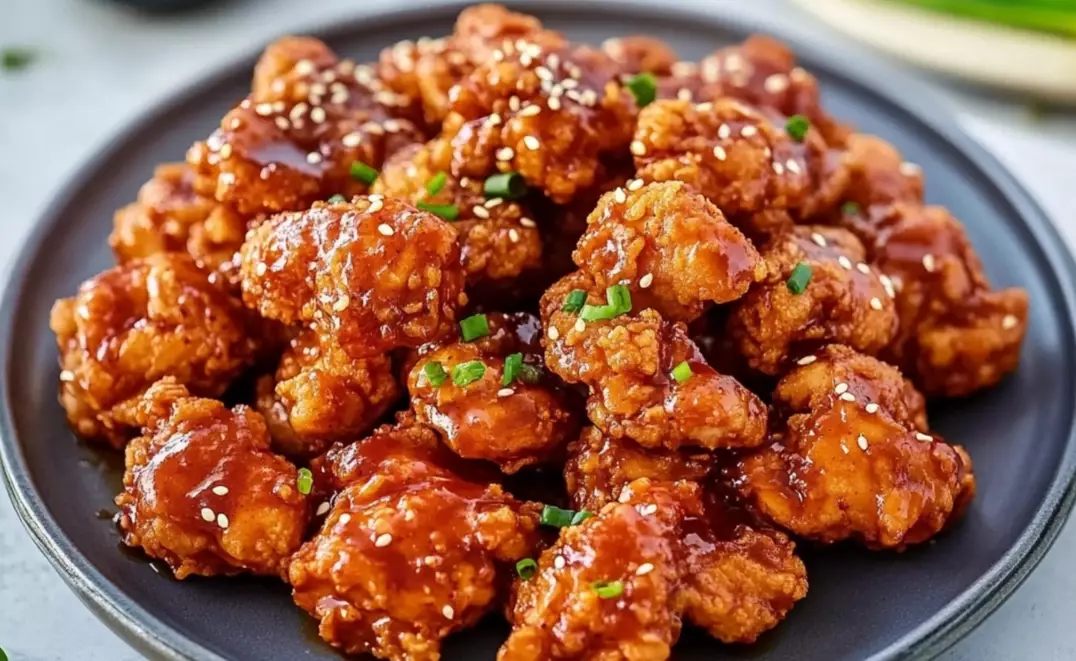
Why Your First Attempt Fails (It's Not the Oil)
When I started, I blamed the oil temperature. But after many trials, I realized the real culprits are batter hydration and starch choice. Most recipes use all-purpose flour and a wet batter. That creates steam, which softens the crust fast. Korean fried chicken uses a dry, starch-based coating—usually potato starch or cornstarch—and a double-fry technique. The first fry cooks the chicken through; the second fry at higher heat blasts out moisture and creates that glass-like crunch.
Another rookie mistake: overcrowding the pot. I once threw in six wings at once, and the oil temp dropped so fast they turned greasy. Now I do three or four pieces max per batch. It takes longer but the result is worth it.
My Two-Fry Method: Step-by-Step
Here's the exact process I use. No fancy gadgets, just a Dutch oven and a candy thermometer.
What You Need (For 2 Pounds of Wings)
- 2 lbs chicken wings, separated into flats and drumettes
- 1 cup potato starch (or cornstarch)
- 1/2 cup all-purpose flour
- 1 teaspoon baking powder (this is my secret for extra lift)
- 1/2 teaspoon fine salt
- 1/4 teaspoon black pepper
- 1 cup cold water (plus more if needed)
- Neutral oil for frying (canola or peanut)
For the sauce, I'll share two versions below. But first, the chicken.
Step 1: Dry Brine (Do This 30 Minutes Ahead)
Toss the wings with salt and pepper. Let them sit at room temperature for 30 minutes. This pulls out moisture and seasons the meat. I skip this step once and the chicken tasted flat—never again.
Step 2: Make the Coating
In a large bowl, whisk potato starch, flour, baking powder, and a pinch of salt. Add cold water gradually until you get a thin batter—like heavy cream. It should coat the chicken but drip off easily. Too thick? Add a splash of water. Too thin? A spoonful of starch. I aim for the consistency of pancake batter that's been thinned out.
Step 3: First Fry at 325°F (165°C)
Heat 2 inches of oil in a heavy pot. Use a thermometer—don't guess. Dip each wing in the batter, let excess drip off, and carefully lower into the oil. Fry for 6-8 minutes until golden and cooked through (internal temp 165°F). Work in small batches. Transfer to a wire rack, not paper towels. Paper towels trap steam and soften the crust.
Step 4: Rest and Second Fry at 375°F (190°C)
Let the wings rest for at least 10 minutes. This allows internal moisture to redistribute. Then crank the oil to 375°F and fry again for 2-3 minutes until deep golden brown and super crispy. The second fry is non-negotiable—it's the secret to that Korean fried chicken crunch.
My timing tip: I set a timer for the first fry and use a spider strainer to move wings around so they cook evenly. The second fry goes fast—don't walk away.
Sauce Showdown: Gochujang vs. Soy Garlic
You can't have Korean fried chicken without sauce. I've tried dozens of recipes. Here are my two go-to versions. Both make enough for 2 pounds of wings.
| Ingredient | Gochujang Sauce (Spicy) | Soy Garlic Sauce (Savory) |
|---|---|---|
| Gochujang (Korean chili paste) | 3 tablespoons | — |
| Soy sauce | 2 tablespoons | 3 tablespoons |
| Honey or corn syrup | 2 tablespoons | 2 tablespoons |
| Rice vinegar | 1 tablespoon | 1 tablespoon |
| Garlic, minced | 2 cloves | 4 cloves |
| Sesame oil | 1 teaspoon | 1 teaspoon |
| Brown sugar | — | 1 tablespoon |
Simmer each sauce in a small pan for 2 minutes until slightly thickened. Toss the wings in the sauce right before serving—if you sauce too early, the crust softens. I usually serve sauce on the side for dipping, but if you want that classic sticky glaze, toss quickly and serve immediately.
My personal preference? The gochujang version with a sprinkle of toasted sesame seeds and chopped peanuts. The soy garlic is great for kids or anyone who avoids heat.
Common Mistakes I Made So You Don't
I've messed up this dish more times than I'd like to admit. Here are the big ones—skip them.
- Using the wrong starch: All-purpose flour alone gives a softer crust. Potato starch or cornstarch is key. I once used tapioca starch—bad idea, it turned gummy.
- Not drying the chicken: Pat the wings completely dry before coating. Moisture = steam = soggy crust.
- Skimping on oil temperature: A thermometer is cheap. Guessing leads to greasy chicken. I learned that the hard way.
- Saucing too early: Sauce the wings just before eating. If you need to hold them, keep them uncovered in a 200°F oven and sauce at the last minute.
- Reusing oil too many times: Fry oil breaks down after 3-4 uses. Old oil makes the chicken taste stale. I change it every two batches.
One more thing: don't skip the double fry. I know it's tempting to do one fry and be done. But the second fry is what gives Korean fried chicken its signature crunch. Trust me on this.
FAQ: Tips From My Kitchen
Verified in my home kitchen through repeated trials. No sponsors, no fluff—just what works.
Leave a Comment